 Protek Pest Services
Tenant Reports Droppings? What Landlords Should Do
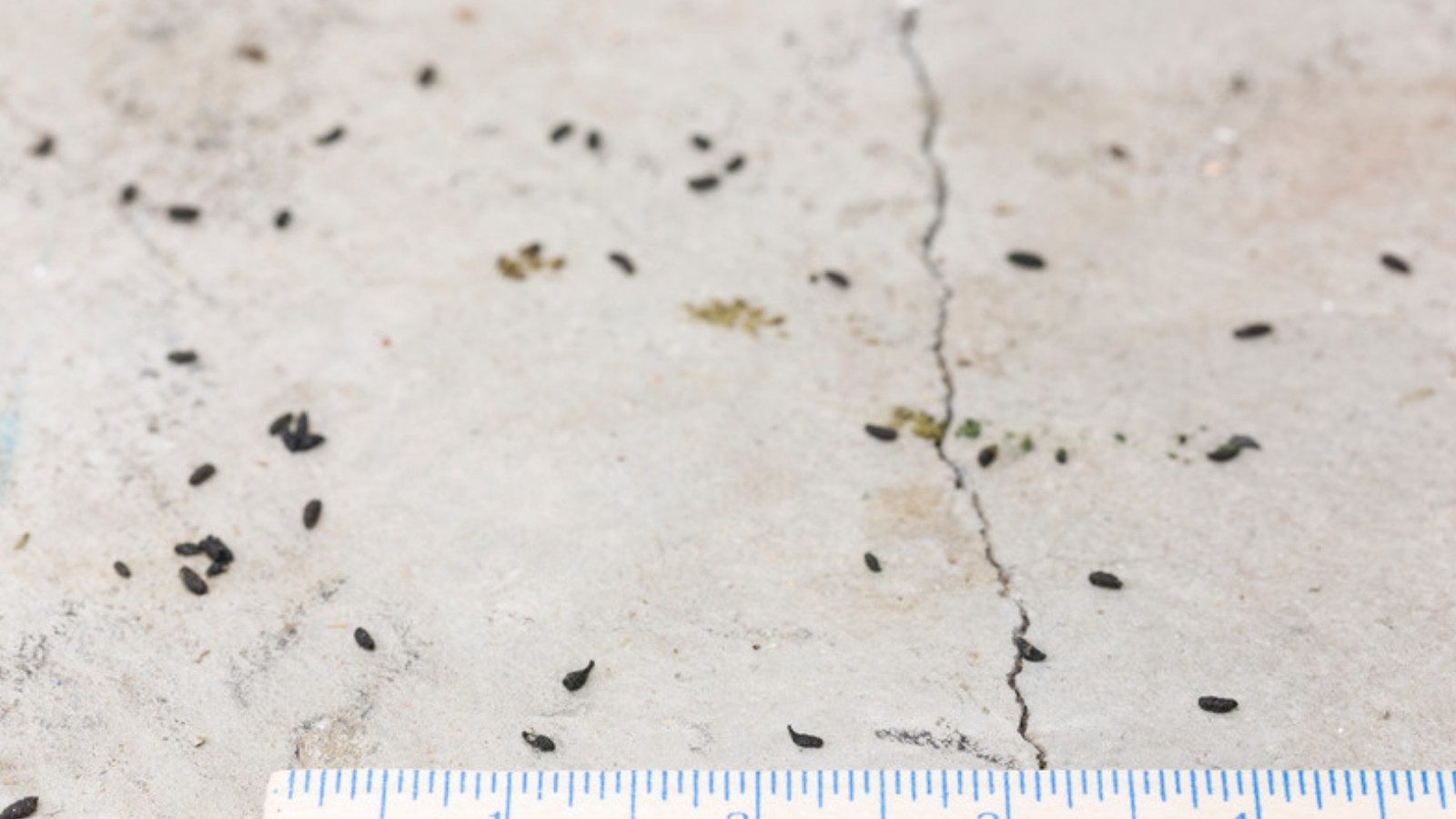
Rodent droppings shown beside a ruler for scale.
Take the report seriously
Rodents multiply quickly and chew through packaging, wood and cables. Left alone, a small problem in one unit can spread through a building. Responding promptly also shows tenants you take their concerns seriously.
Step 1: Document what was found
Ask the tenant to photograph droppings, gnaw marks or damage, and note where and when they noticed it. A ruler or coin beside droppings gives a sense of scale. Records help the inspection and avoid disputes later.
Step 2: Handle droppings safely
Dry droppings should not be swept or vacuumed, as this can put dust into the air. Gloves, a mask and a damp cloth with disinfectant is safer. For larger amounts, it's better to leave it to a professional.
Step 3: Arrange an inspection
A professional can identify the type of rodent, how many there are and how they are getting in, and can check neighbouring units if needed. Treating just the one unit that reported it can miss the real source.
Step 4: Seal and prevent
- Seal gaps around pipes, vents, doors and the roofline.
- Make sure bin areas are clean and bins have tight lids.
- Check drains, gutters and plants touching the building.
- Give tenants clear advice on storing food and managing rubbish.
Step 5: Follow up
Check back with the tenant after treatment, and arrange a follow-up visit if signs continue. A short written record of what was done helps everyone.
When you should call a pest control company
- A tenant reports droppings, gnaw marks or scratching.
- You see signs between tenancies.
- The same unit has repeated problems.
- You manage several units and want a consistent approach.
What happens at an inspection
A technician checks inside and outside the property, looks for signs of activity, works out where pests are getting in and what is attracting them, and explains what was found. You then get a clear recommendation. Protek Pest Services offers a free, no-obligation inspection across St. Kitts & Nevis.
Frequently asked questions
Should I treat just the unit that reported it?
Not always. Rodents move through walls, ceilings and shared spaces, so a professional will usually check nearby units and common areas as well.
What if the tenant already set traps?
That's fine, but traps alone rarely solve the cause. Tell the inspector what has been tried.
Do you work with property managers?
Yes. We can work with property managers and landlords across St. Kitts & Nevis, including scheduled checks.
A tenant reported rodents?
Book a free inspection and we'll help you sort it out.